WebGL and scroll storytelling: beautiful, but still fast
Digital
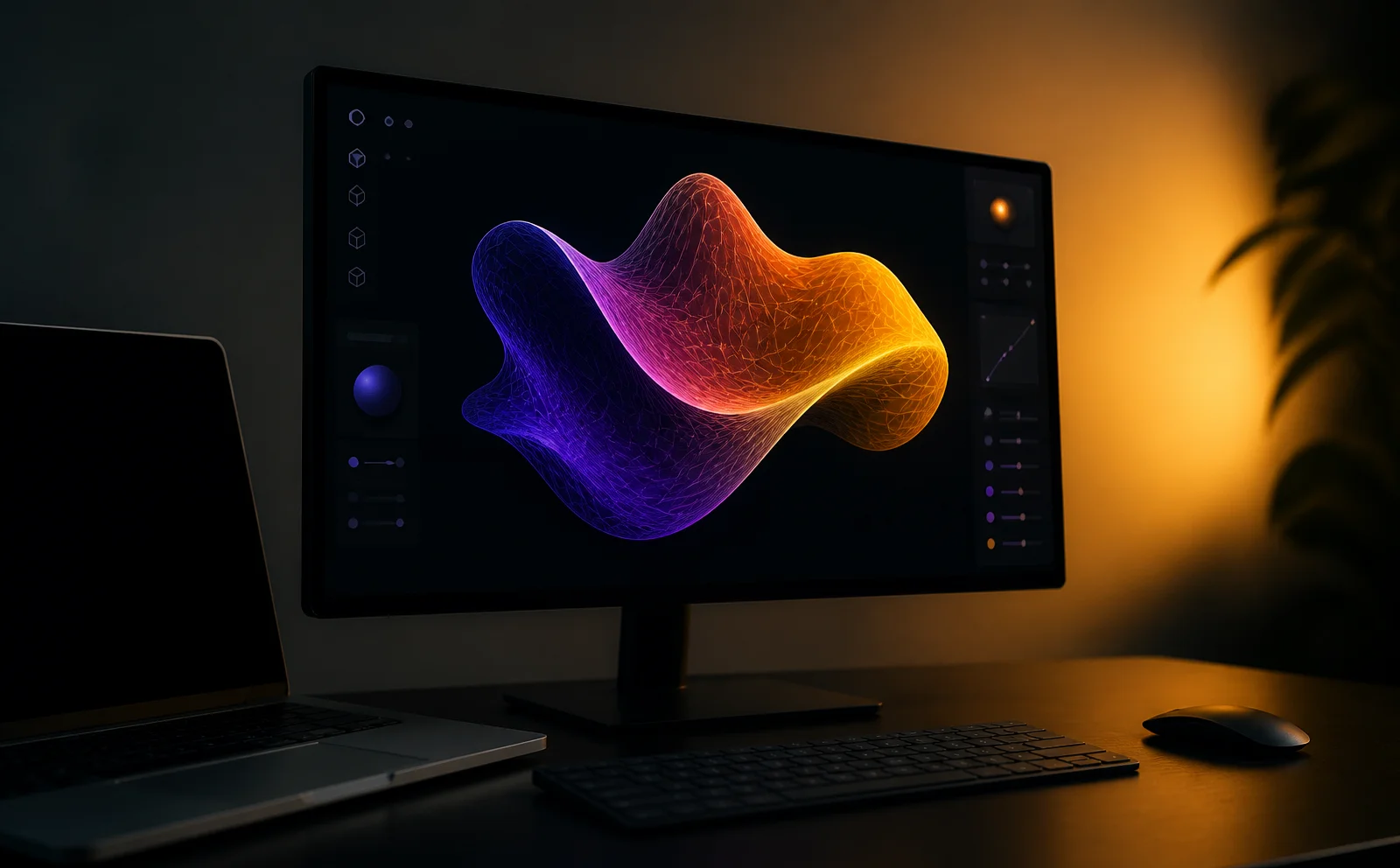
3D and scroll-driven stories are mainstream, but every effect has a performance price. Here is the performance budget a creative site should set.
Effects are part of the brand story
WebGL, Three.js and scroll-driven storytelling are now familiar choices for brand and product sites. They let a page do more than inform; they create feeling. But the 2026 guidance repeats one point: these effects must be balanced against Core Web Vitals.
The price of a “beautiful” page
- INP (Interaction to Next Paint): Google treats under 200 ms as good. Effects that hog the main thread make a page feel stuck on tap or click.
- LCP: an unoptimized WebGL hero or video is often the largest element and pushes this metric up.
- Phones: complex parallax janks on weaker devices, so reduce intensity on small screens.
Keep the cheap drama; question the expensive kind.
How Double D builds
- Load heavy effects after the page is interactive: show a static image first, bring WebGL in after.
- Render only when visible: off-screen canvases pause drawing and free memory on leave.
- Prefer CSS and transform/opacity: motion that never forces layout recalculation.
- Respect prefers-reduced-motion: motion-sensitive users still get a complete static version.
- Never hijack scrolling: smooth, but not taking the gesture away from the user.
A note: many conversion and time-on-page statistics in trend blogs come from vendors with no clear primary source; verify them before they enter a business case.